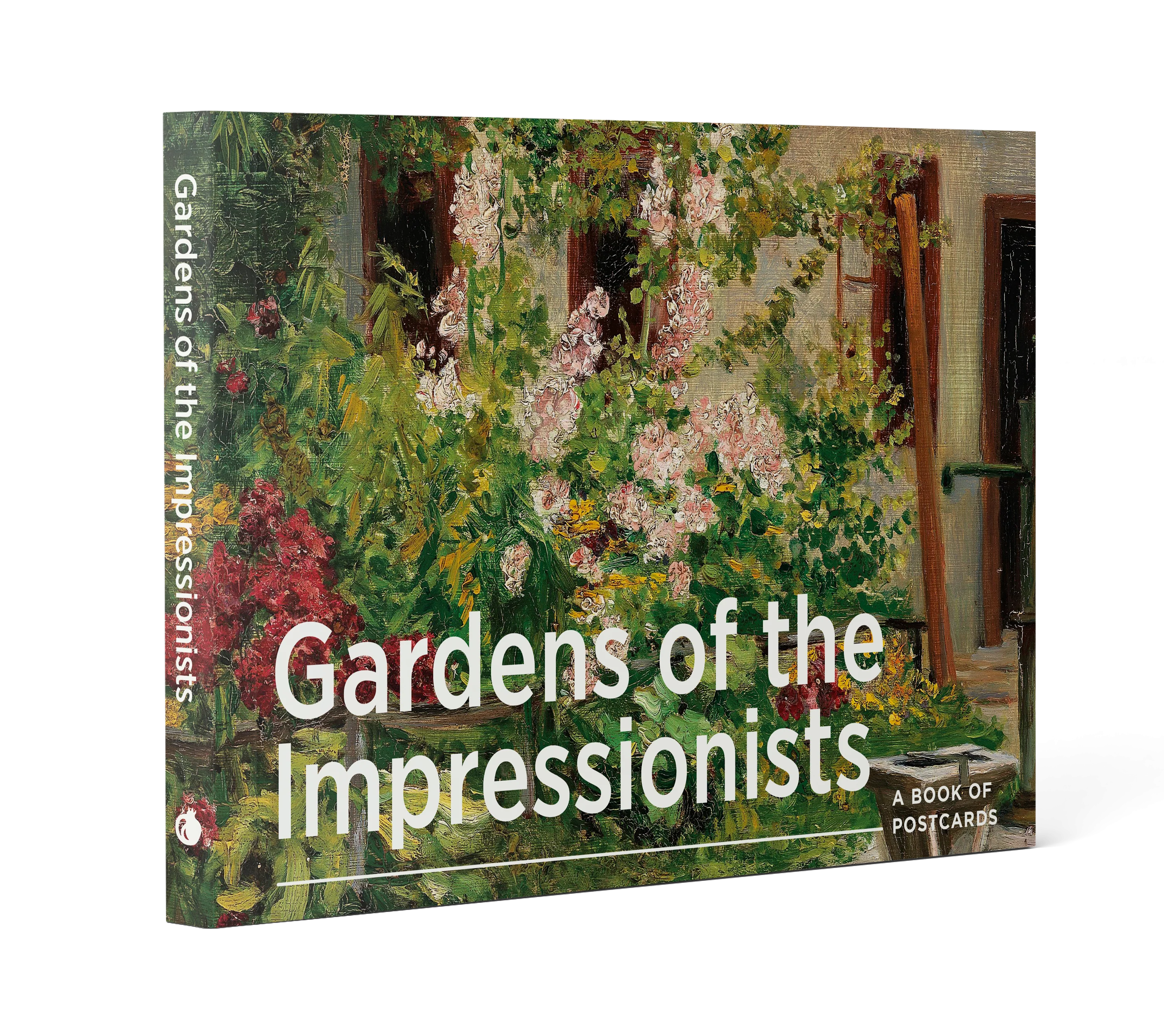
Gardens of the Impressionists Book of Postcards
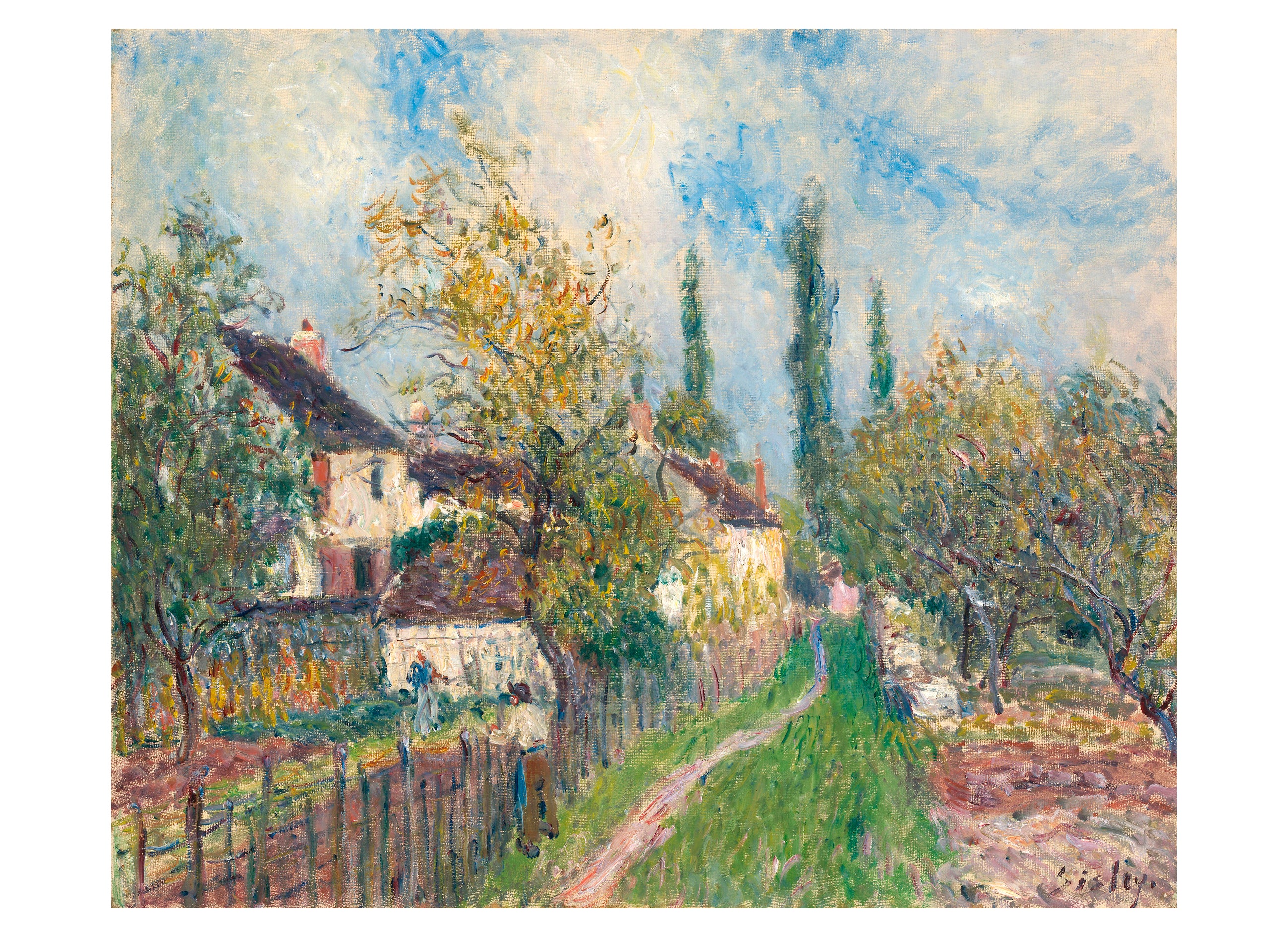
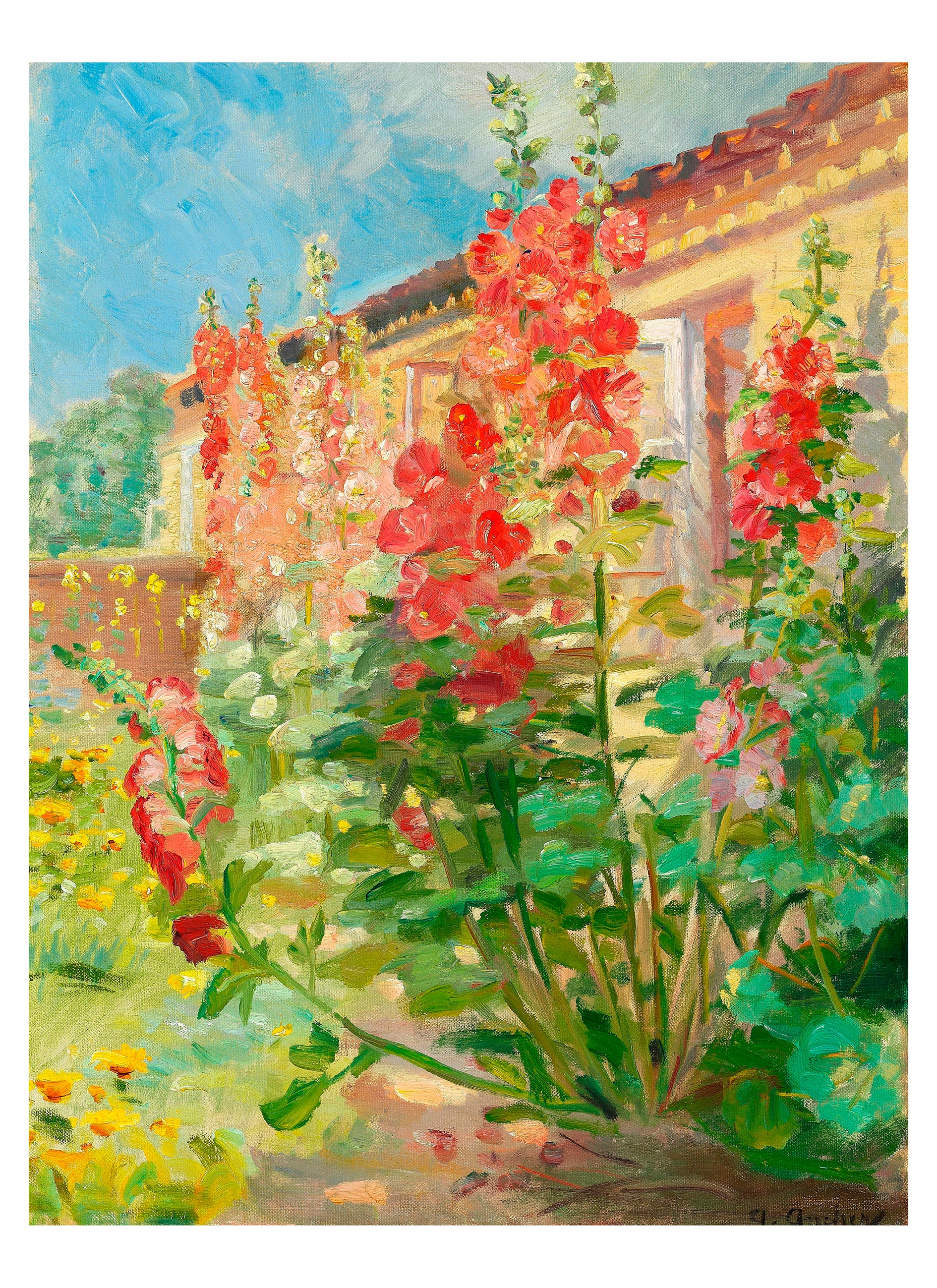
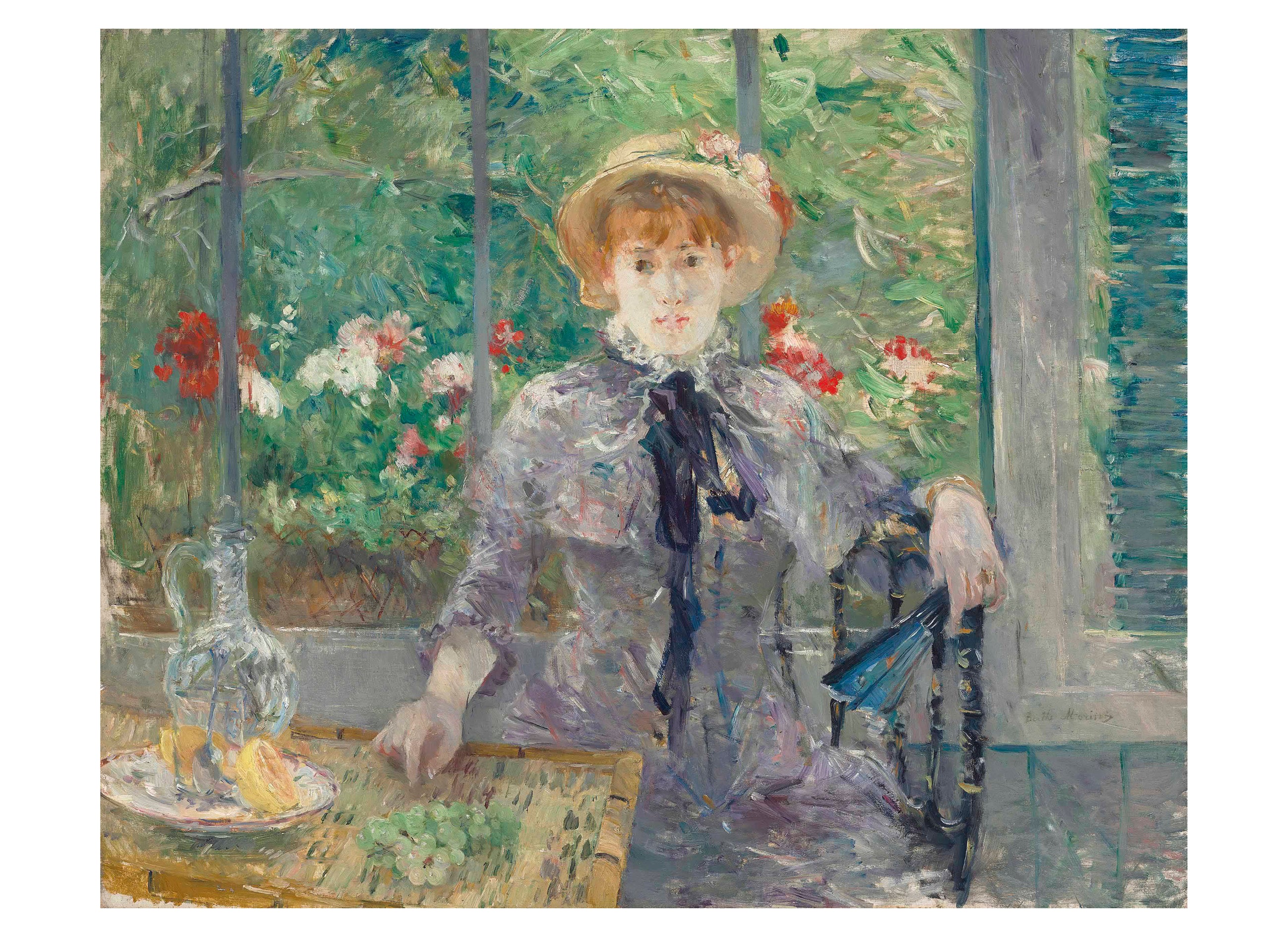
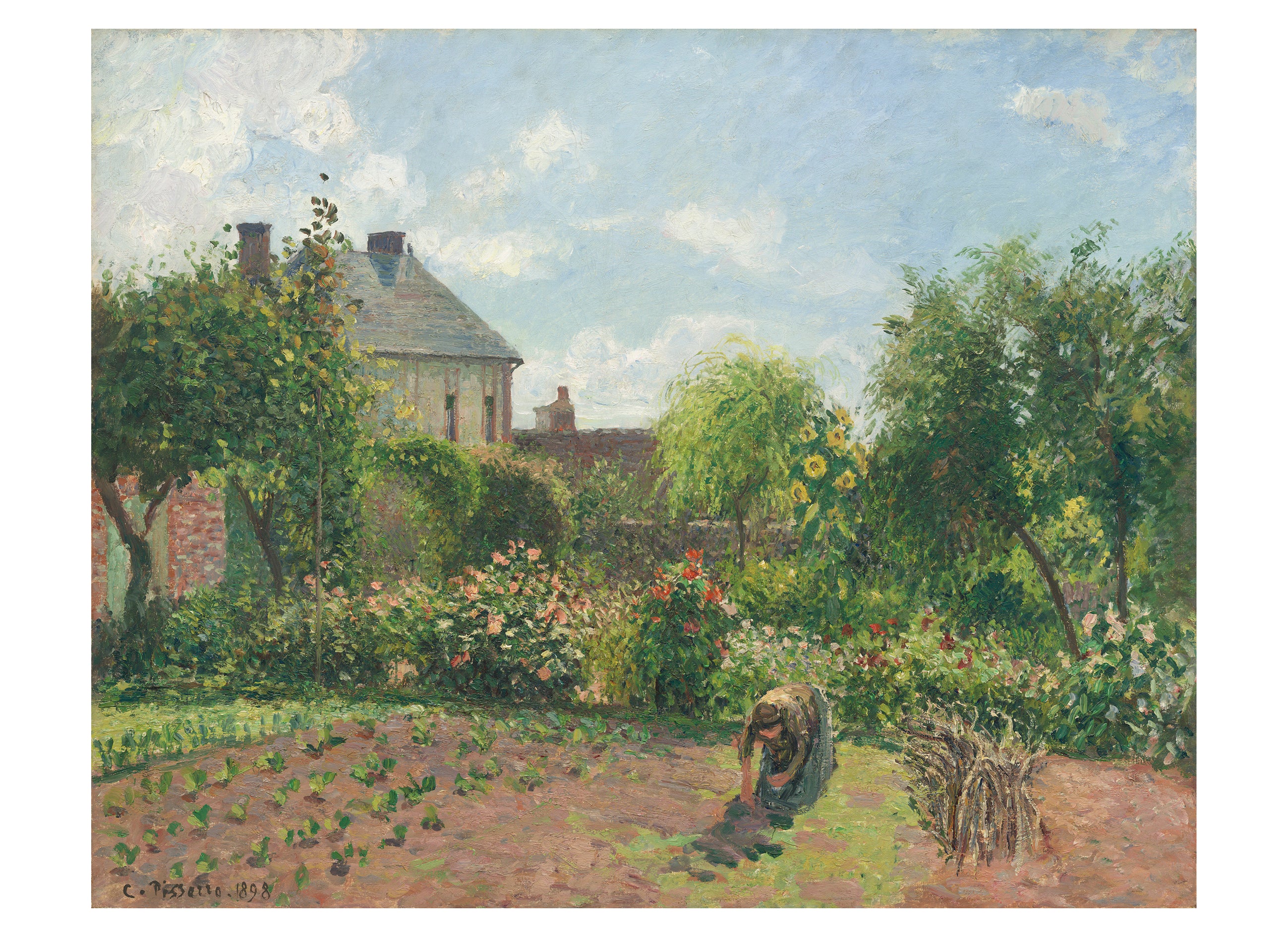
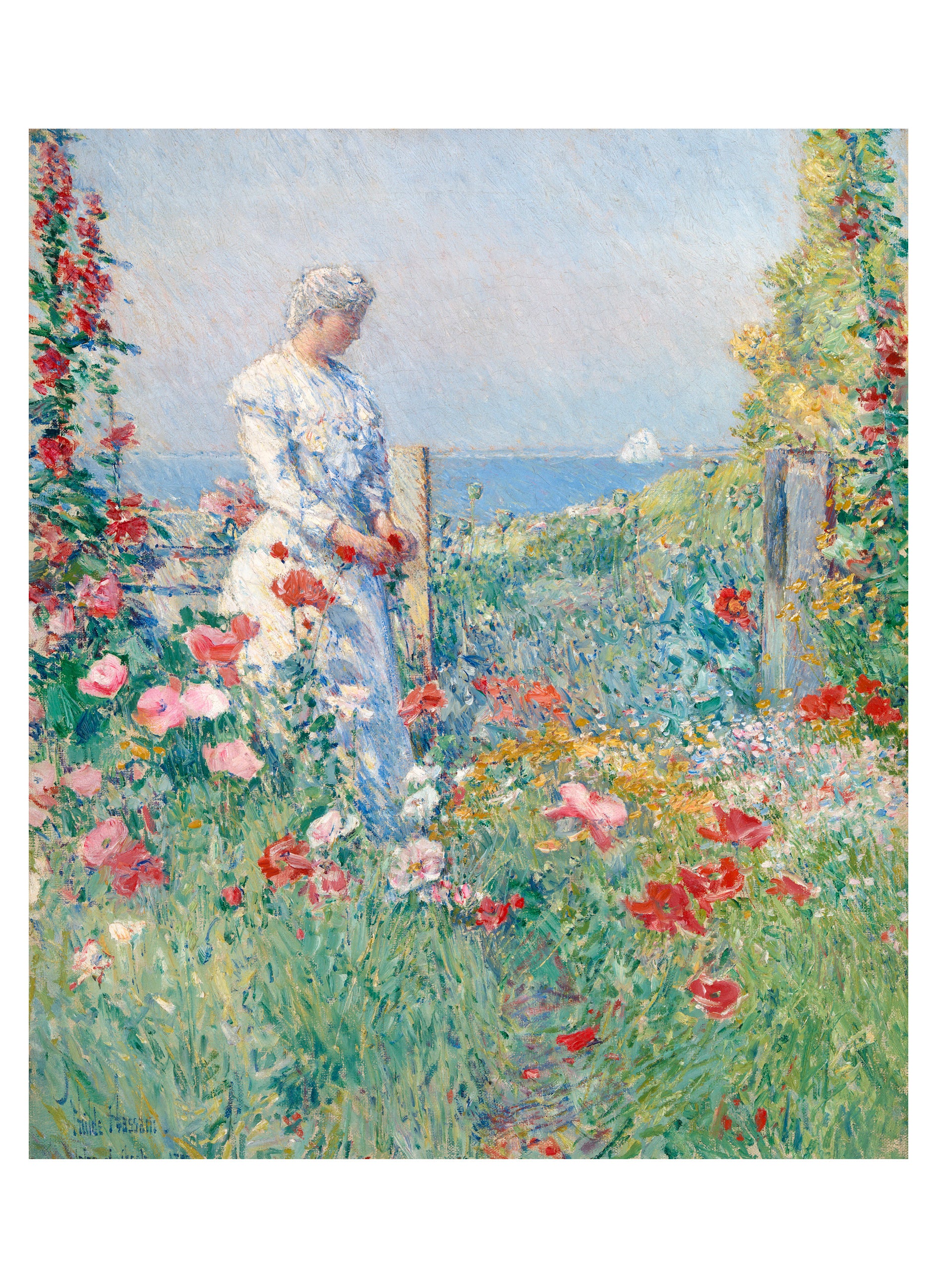
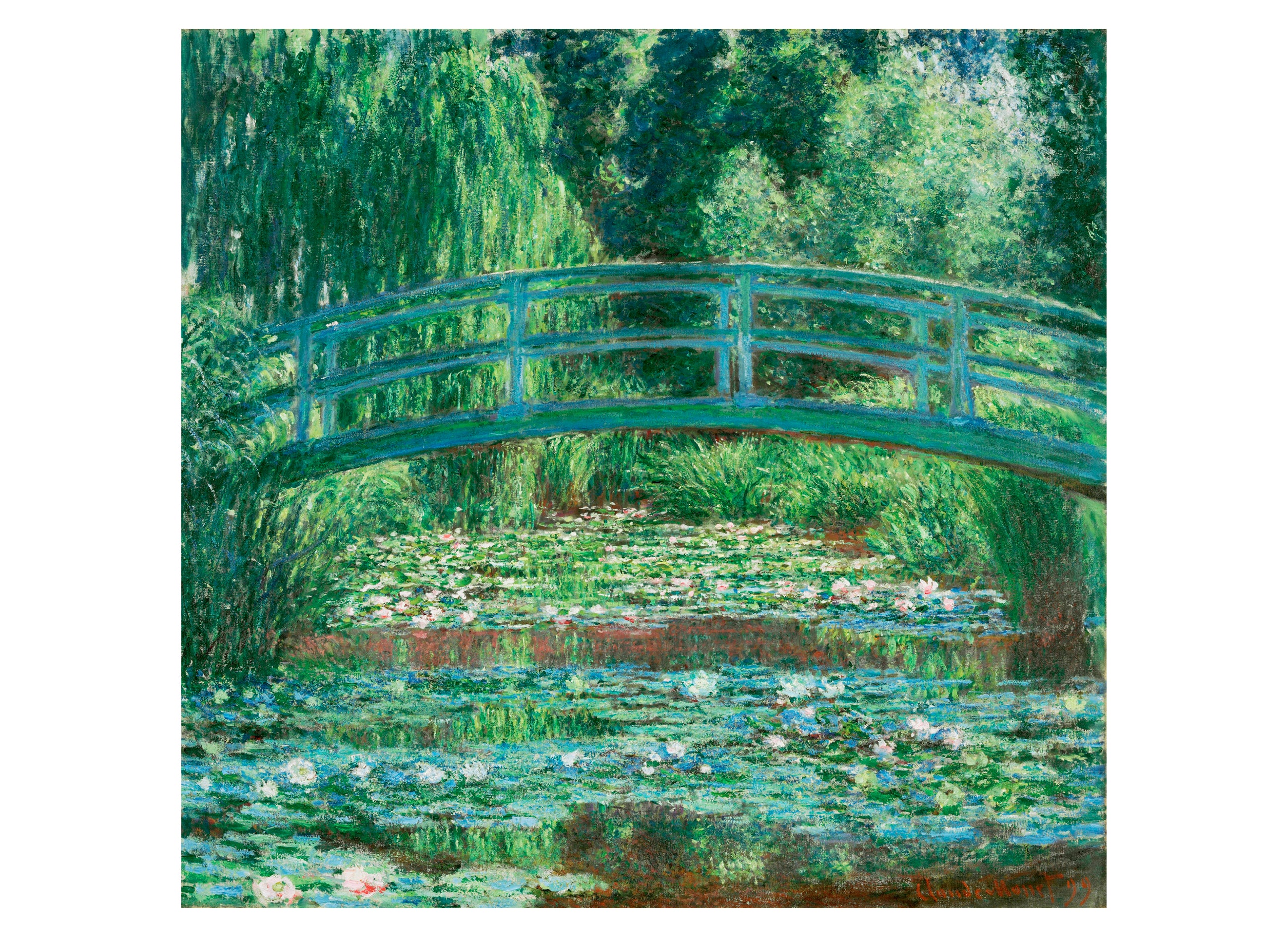
Never did a group of history’s finest artists pay such fond attention to gardens as the Impressionists. Their close study of plants and atmosphere enabled them to abstract each essential shape in their compositions, reproducing with warmth and fidelity the elusive play of light on leaf and blossom—sun-dappled flowers on the waterfront, orchards coming into bloom, tree-lined walks, and other charming pastoral sights. Many Impressionist painters—Monet, Morisot, Pissarro, and Caillebotte among them—were avid gardeners as well, and the plots they tended became an important source of imagery. The relaxed environments also lent themselves to more informal scenes of domestic life and leisure; such subject matter was one of the many ways the Impressionists’ rejected academic art standards, which valued only dramatic, idealized depictions of history, Greek mythology, and Christianity as “true” art. Cultivated or wild, the garden was perfectly suited to the Impressionists’ lively approach to painting. While detractors viewed Impressionist works as “unfinished” and “messy,” supporters of the style appreciated it for its candidness and emotion. As poet and art critic Stéphane Mallarmé once wrote, the subject of Impressionist paintings, “being composed of a harmony of reflected and ever-changing lights, cannot be supposed always to look the same, but palpitates with movement, light, and life.” That affinity for the ephemeral is what made Impressionists particularly skilled at bringing forth the soul of the garden—their works so full of motion that they seem to flicker in the breeze.
$5.23
Original: $14.95
-65%Gardens of the Impressionists Book of Postcards—
$14.95
$5.23Product Information
Product Information
Shipping & Returns
Shipping & Returns
Description
Never did a group of history’s finest artists pay such fond attention to gardens as the Impressionists. Their close study of plants and atmosphere enabled them to abstract each essential shape in their compositions, reproducing with warmth and fidelity the elusive play of light on leaf and blossom—sun-dappled flowers on the waterfront, orchards coming into bloom, tree-lined walks, and other charming pastoral sights. Many Impressionist painters—Monet, Morisot, Pissarro, and Caillebotte among them—were avid gardeners as well, and the plots they tended became an important source of imagery. The relaxed environments also lent themselves to more informal scenes of domestic life and leisure; such subject matter was one of the many ways the Impressionists’ rejected academic art standards, which valued only dramatic, idealized depictions of history, Greek mythology, and Christianity as “true” art. Cultivated or wild, the garden was perfectly suited to the Impressionists’ lively approach to painting. While detractors viewed Impressionist works as “unfinished” and “messy,” supporters of the style appreciated it for its candidness and emotion. As poet and art critic Stéphane Mallarmé once wrote, the subject of Impressionist paintings, “being composed of a harmony of reflected and ever-changing lights, cannot be supposed always to look the same, but palpitates with movement, light, and life.” That affinity for the ephemeral is what made Impressionists particularly skilled at bringing forth the soul of the garden—their works so full of motion that they seem to flicker in the breeze.